Heat and humidity are not theoretical problems in Tucson. They govern how you live in summer, how much you spend on energy, and how quickly a poor decision becomes an emergency. I have spent years coordinating household repairs, getting my hands dirty on job sites, and listening to homeowners describe their worst HVAC experiences. Hiring the wrong HVAC company near me can cost far more than money. It costs time, sleep, and sometimes critical comfort during the hottest week of the year.
Below I describe the common mistakes I see again and again, why they matter, and how to avoid them. You will find concrete questions to ask, trade-offs that matter, and specific red flags to watch for if you search terms like AC repair in Tucson, AC installation in Tucson, Emergency AC repair near me, or HVAC Service Near Me. If you live in or near Tucson and are thinking about Plunkett Home Services or any other contractor, these points will help you act with confidence.
Why this matters A failed install or shoddy repair shows up in three predictable ways: a higher-than-expected bill, a system that breaks again within months, or a repair made during an emergency when choices are rushed. Each of those outcomes can be prevented with a little preparation and the right questions. The time you invest before signing a contract is tiny compared with the recurring cost of a bad HVAC decision.
Mistake 1: Choosing on price alone Price is the most seductive metric. A low estimate feels like a win, especially when an air conditioner has failed during a heatwave. But cheap bids often hide corners cut on parts, labor, or testing. I once watched a technician replace a condenser for a price well below market only to leave the system uncharged and call back two days later to add refrigerant, claiming a leak that never existed. The homeowner paid twice and lost trust in the process.
What to watch for: does the estimate itemize parts and labor, including brand and model numbers? Vague phrases like "replace compressor" without part specifics are a warning. Also inspect the warranty language. A lower price with no warranty or a short parts warranty means the vendor is transferring risk to you.
Mistake 2: Not verifying credentials Licensing and insurance are non-negotiable. Licensing shows the company meets local technical and safety standards. Insurance protects you if a worker is injured on your property or if accidental damage occurs during the job. Some companies advertise a slick brand and great reviews but subcontract the actual work to unlicensed technicians.
How to verify: ask for the company license number and their insurance certificate. Call the local licensing board if you feel the need. For Tucson and Pima County, local government websites provide verification tools. If a company resists sharing these details, treat it as a major red flag.
Mistake 3: Ignoring local experience and climate-specific knowledge Tucson has specific challenges: high latent heat, the need for proper evaporator coil sizing, and ductwork practices that differ from humid or cold climates. Someone who primarily works in milder climates may recommend an oversized unit because it cools quickly, but oversized systems cycle more and fail to dehumidify properly, leaving rooms cool but clammy.
Ask technicians about their local experience and examples of work they did nearby. A good contractor can point to neighborhood installs, explain how they sized a system for desert conditions, and describe steps to prevent dust and monsoon-related moisture problems.
Mistake 4: Overlooking energy efficiency and real operating costs Initial purchase price is one thing; operating cost is another. Two systems with similar price tags can cost very different amounts each month. Efficiency ratings, like SEER for cooling, matter, but they are not the whole story. Ductwork condition, thermostat type, and installation quality affect real-world efficiency.
When comparing offers, ask for estimated seasonal operating costs, not just the unit SEER. A qualified HVAC contractor will run rough calculations based on https://garrettbxqc241.almoheet-travel.com/how-a-local-hvac-company-near-me-can-improve-service-times-in-tucson your home size, insulation, and typical Tucson summer temperatures. Beware of sellers who promise improbable savings without showing the assumptions behind the math.
Mistake 5: Failing to get multiple detailed bids Some projects require a single trusted technician, but for major work like full AC installation, get at least two detailed bids. I emphasize detailed because a lowball bid with a single line item is useless for comparison. Detailed bids force contractors to think through materials, labor hours, hookup complexity, and testing steps.
When bids differ, the reasons matter. One may include new thermostat wiring, another may assume reuse. One may include return duct sealing, another leave existing problems untouched. The more transparent the proposal, the easier it is to compare apples to apples.
Checklist: five questions to ask every HVAC company before hiring
- Are you licensed, and can I see your license number and insurance certificate? What exact equipment brand and model do you recommend, and why is it suited to my home? Can you itemize the estimate, including parts, labor, disposal, and permit costs? What warranties cover parts and labor, and what conditions void them? Will you perform system testing and hand me documentation showing airflow, refrigerant charge, and a written startup checklist?
I keep this list on my phone. When a contractor stalls or can't answer clearly, I move on. A capable technician wants to document these things because it protects both of you.
Mistake 6: Signing a vague contract or verbal promises Verbal assurances evaporate when paperwork starts. Contracts should spell out scope, materials, schedule, payment milestones, warranty terms, and cleanup responsibilities. I once watched a homeowner accept a handshake deal for "minor duct repairs" that ballooned into a full duct replacement. The contractor charged extra for "unforeseen conditions" and the homeowner had no recourse because nothing was in writing.
If a vendor proposes "we'll handle permits" verify which permits and any associated costs. Ask for a simple timeline that includes start date, major milestones, and projected completion date. The contract should also say what happens if a permit reveals additional work is required.
Mistake 7: Not asking for references or checking recent reviews critically Online reviews matter, but they can be misleading. Look for patterns rather than a single glowing or angry review. Call recent customers, ideally within the past 90 days, and ask three questions: were they satisfied with communication, did the system perform as expected, and was the warranty honored when needed?
When a company gives references, ask for homes similar to yours — similar square footage, ductwork type, and system size. A technician who solved a tricky duct-balancing problem in a comparable house is more relevant than one who serviced a high-rise office complex.
Mistake 8: Expecting all technicians to understand load calculation and proper sizing Load calculation is the process that determines the right system size for your home. Many contractors still estimate based on rule-of-thumb, like 1 ton per 600 square feet, which ignores insulation, window orientation, attic ventilation, and occupant behavior. A mis-sized system will short cycle or run continuously and fail to dehumidify.
Ask whether the contractor performs a Manual J load calculation or an equivalent method. If they don't or if they say "we'll eyeball it," treat that as a warning. Manual J gives a defensible basis for equipment sizing and should be part of any serious AC installation in Tucson.
Mistake 9: Skipping a pre-installation inspection of ductwork and airflow Ducts leak and lose efficiency. Sometimes a perfectly sized new AC will underperform because duct joints leak 20 to 40 percent of the conditioned air into attics or crawl spaces. A contractor should inspect ducts and bring up necessary repairs before installation. Duct sealing, insulation, and optimizing supply and return locations can be cheaper and more effective than upgrading to a larger unit.
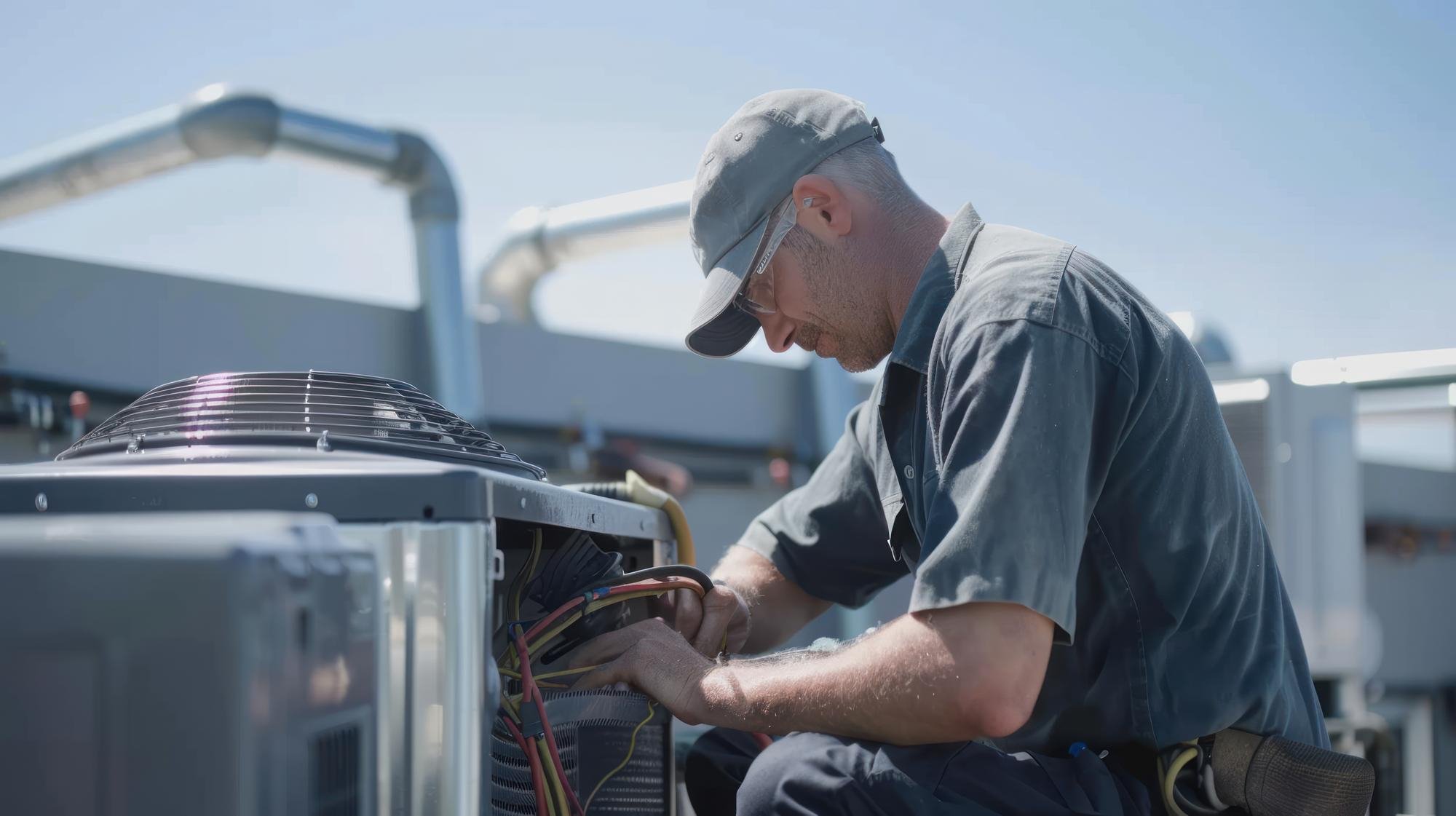
If a sales technician ignores ducts, ask yourself whether you're paying only for a shiny new condenser rather than a system that truly improves comfort and efficiency.
Mistake 10: Not clarifying emergency response and service windows Emergency AC repair near me is a search phrase born of panic. When the system goes down on the hottest day, response time matters. Ask about the company's after-hours policy, typical emergency response time, and whether they keep parts in stock for common failures. Some contractors charge steep premiums for after-hours service beyond reasonable overhead; others provide transparent emergency rates.
If you live in a heat-sensitive household, prioritize contractors who guarantee same-day or next-business-day responses during heat advisories.
Red flags to watch for when a contractor visits
- Guarantees that sound too good to be true without paperwork. Requests for full payment up front before work begins. No written estimate or refusal to itemize costs. Pressure to sign immediately because "prices will go up." All decent companies understand that homeowners need time to review proposals. If a company insists on a signature on the spot, step back and get a second opinion.
How to evaluate warranty and service agreements Parts warranties are one thing, labor warranties another. A manufacturer may provide a 10-year compressor warranty, but that warranty is often only valid if the installation followed the manufacturer's installation checklist. Labor warranties protect you from installation errors. Ask for the length of both and for examples of what voids the warranty.
Be specific about replacement parts. Will the company use OEM parts or aftermarket equivalents? OEM parts cost more but match the original design. For older systems, aftermarket parts can be a reasonable, cost-effective choice, but you should know in advance which will be used.
Negotiating without sacrificing quality Some negotiation is reasonable. You can ask for a small reduction, a complimentary maintenance visit within 12 months, or an upgraded thermostat. Avoid demanding unrealistic discounts that lead a contractor to cut corners. Instead, negotiate on terms: extended payment plans without interest, scheduled follow-up inspections, or bundled maintenance agreements.
What about name recognition versus local firms National brands have marketing budgets and uniform training. Local shops often know neighborhood quirks, local inspectors, and where to source parts quickly. Both can be good. Choose based on specific evidence: recent local jobs, transparent communication, and a clear warranty procedure. Someone can be a small local business and excellent, or a large brand and weak in follow-up. Evaluate the work, not the logo.

A short anecdote about timing and trust I helped a friend who called a national hotline during a heatwave. A technician arrived, quoted a mid-range part replacement, and recommended immediate work. The homeowner felt rushed and accepted. The part lasted three months. When the homeowner called, the national office placed them in a long queue. We brought in a local contractor who found a neglected relay and a loose wiring harness that had shorted the new part. The local shop repaired the wiring, tested the system, and provided a clear narrative of the root cause. The lesson is simple: quick first fixes are sometimes necessary, but always follow up with a full diagnostic once the immediate crisis is handled.
Emergency repairs and planned upgrades: different mindsets Emergency AC repair near me focuses on restoring operation quickly. Planned AC installation in Tucson is about long-term performance. In emergencies, document what was done, get a temporary written estimate, and schedule a full, non-emergency assessment as soon as possible. For planned upgrades, insist on load calculations, duct inspection, and a startup verification that includes refrigerant charge verification and airflow measurements.
When to walk away If a contractor exhibits any of these behaviors, walk away: evasive answers to basic questions, no license or insurance, pressure to pay cash up front without receipt, or refusals to put promises in writing. You will save money and aggravation by spending more time upfront.
Final practical steps before you sign Once you choose a contractor, ask for a concise kickoff package: the signed contract, a project schedule, permit responsibilities, a contact person, and a written invoice at completion with detailed startup measurements. If possible, attend the startup. Watch the technician measure suction and discharge pressures, check supply and return temperatures, and show you the thermostat programming. These small steps let you verify the job was done professionally.
If you are evaluating Plunkett Home Services or any local provider, apply the same scrutiny. Ask for recent Tucson-area references, confirm licensing and insurance, and review warranty offerings. A company that provides clear answers, solid documentation, and a reasonable emergency plan is more likely to be worth the price.
Making the right choice pays off Good HVAC decisions save you money through lower energy bills, extend the life of equipment, and preserve comfort. The mistakes described here are common because they are emotionally easy: choose the cheapest, sign quickly, skip questions. The trade-offs are clear when you see the consequences. With a few disciplined questions and attention to documentation, you can avoid the worst outcomes and transform a necessary annoyance into a reliable service relationship that keeps your home comfortable year after year.
Plunkett Home Services
3144 E Fort Lowell Rd, Tucson, AZ 85716, United States
+1 (520) 808-2743
[email protected]
https://callplunkett.com/